
The Schleibinger range of testing systems is specifically designed and developed for the testing of construction materials such as cement paste, mortar, fine concrete, plaster etc. The range includes rotational viscometers, compact viscometers, freeze/thaw units, shrinkage cones and shrinkage/expansion units.
Material Testing
Durability
Durability is, beneath the strength, one of the most important properties of concrete. Beneath the freeze-thaw resistance also the ASR resistance comes more and more in the public focus.
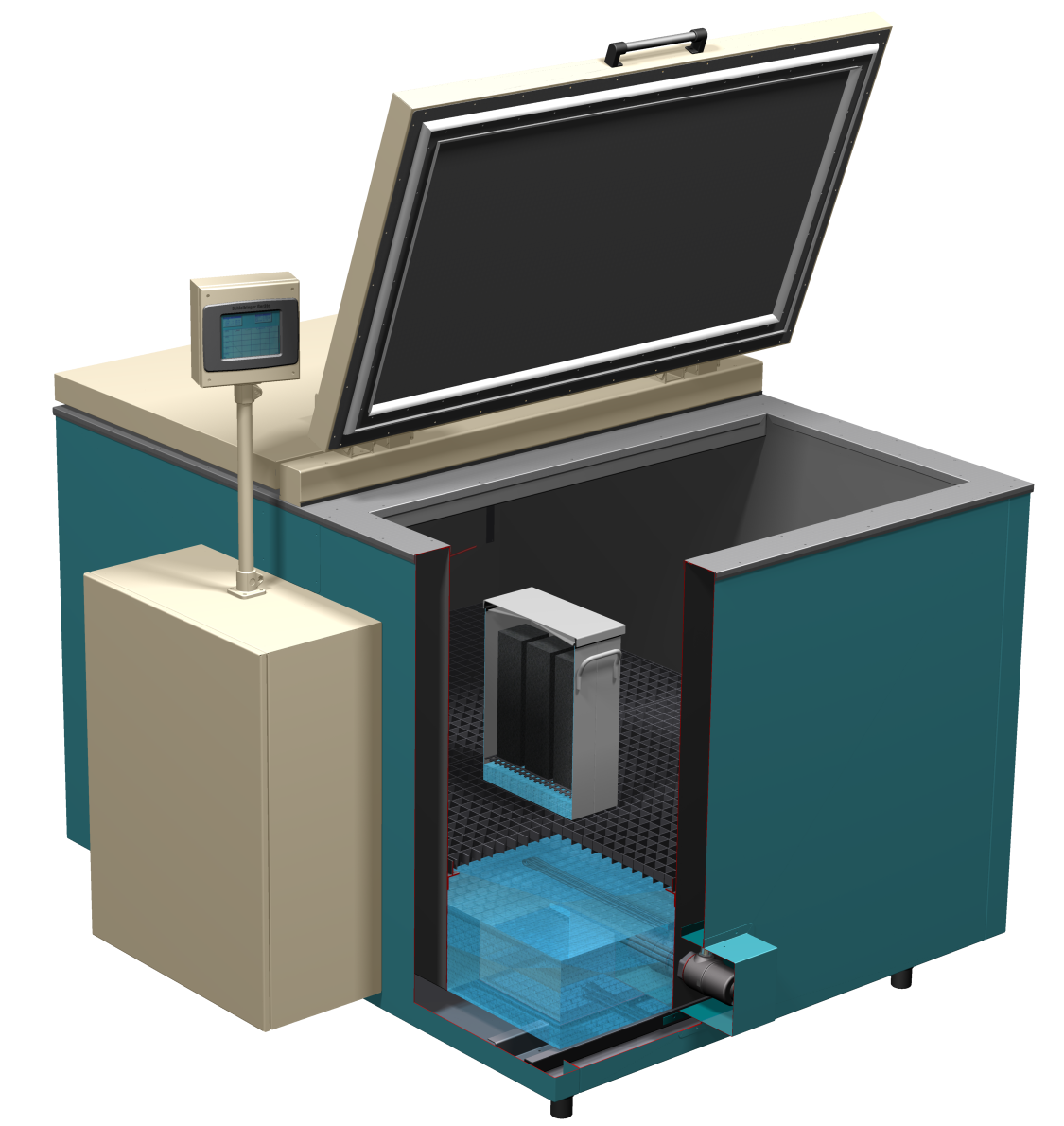

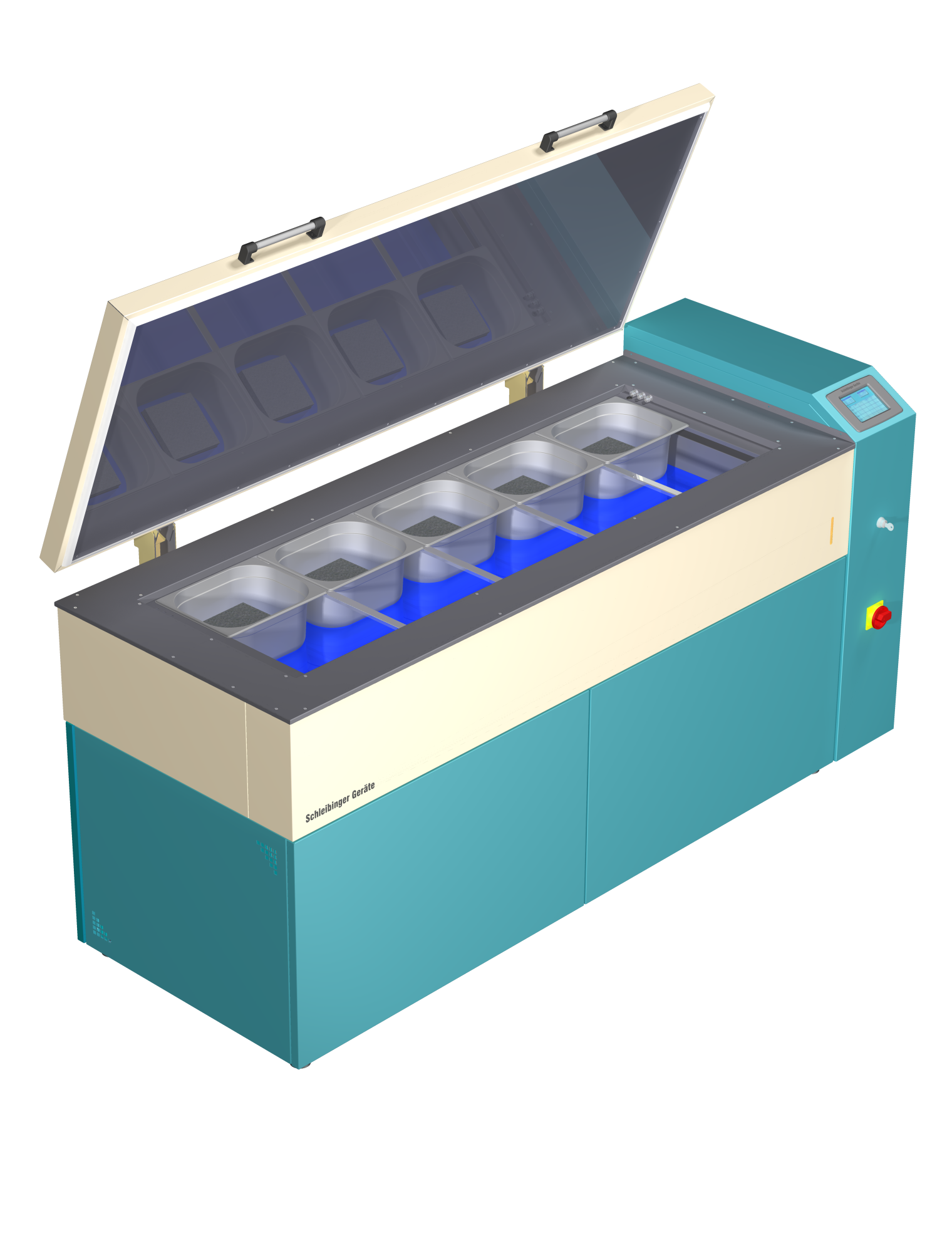
Schleibinger CDF-/CIF Freeze-Thaw Tester
Used for testing the freeze/thaw resistance of concrete.
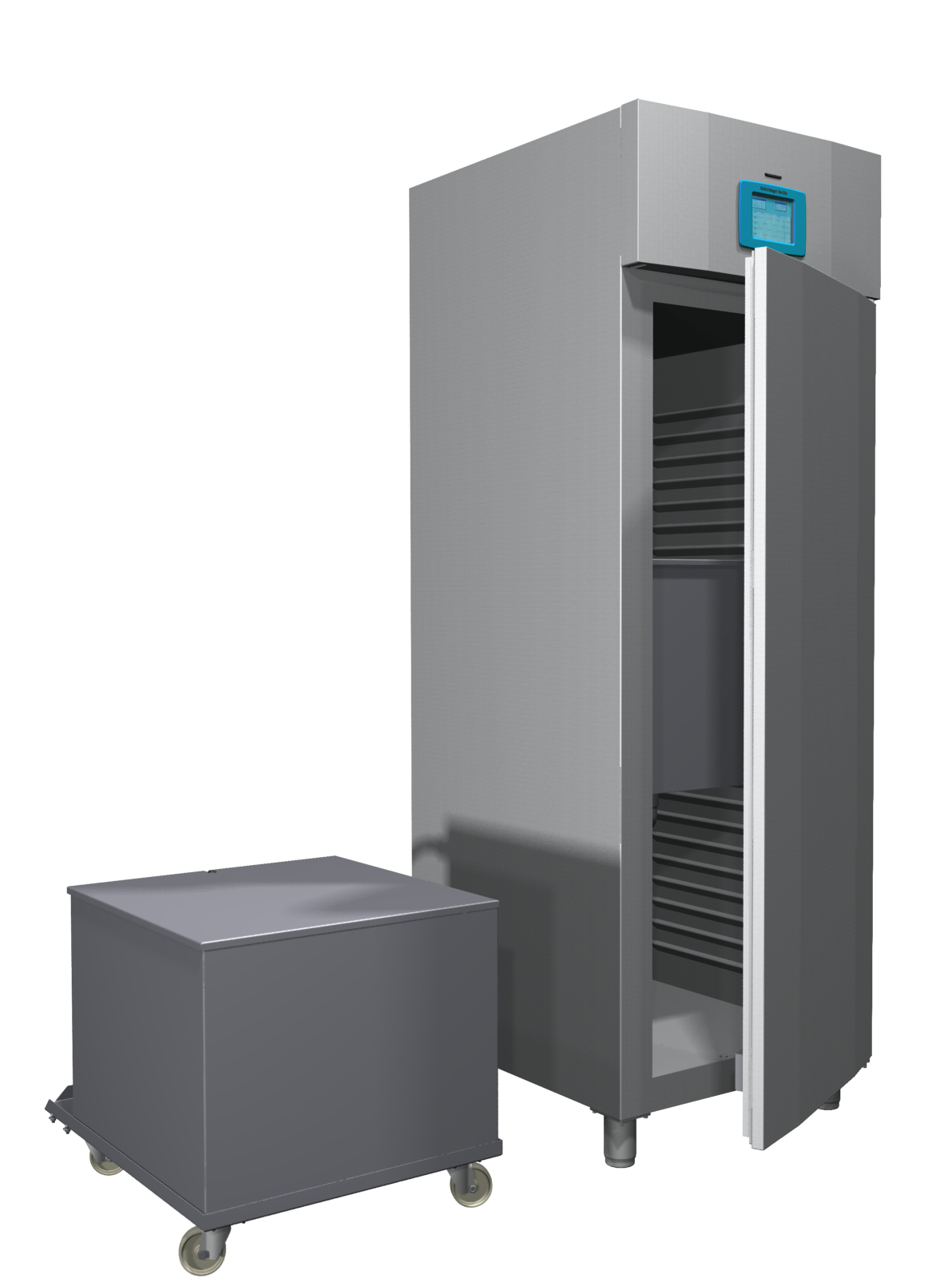
Schleibinger Slabtester
Temperature and time controlled frost-thaw system. Allows freezing and thawing of the concrete.
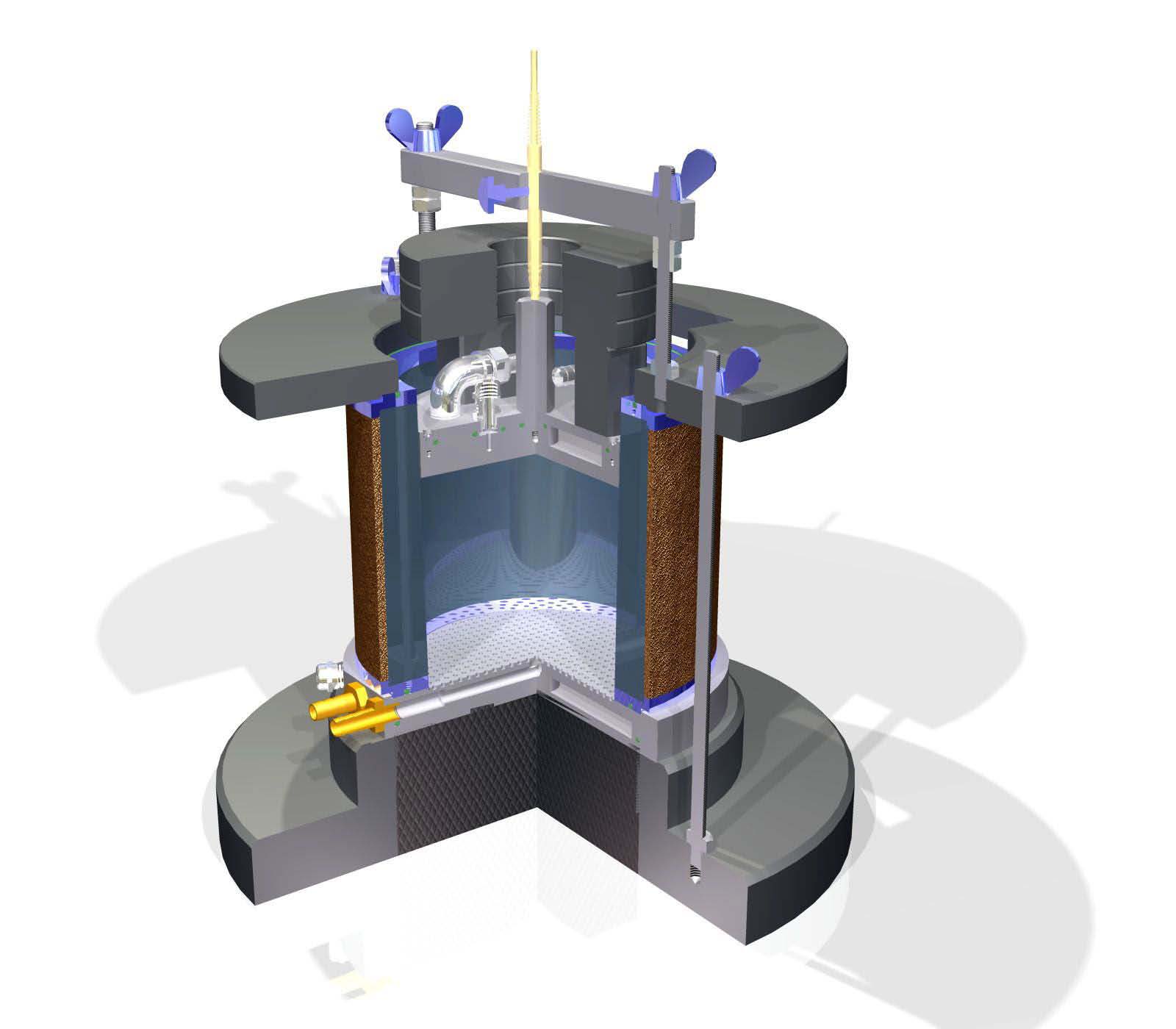
Schleibinger Soil Freeze-Thaw Chamber
Test for height change, strength weakening during freeze-thaw.
Rheometers
Rheometers for building materials
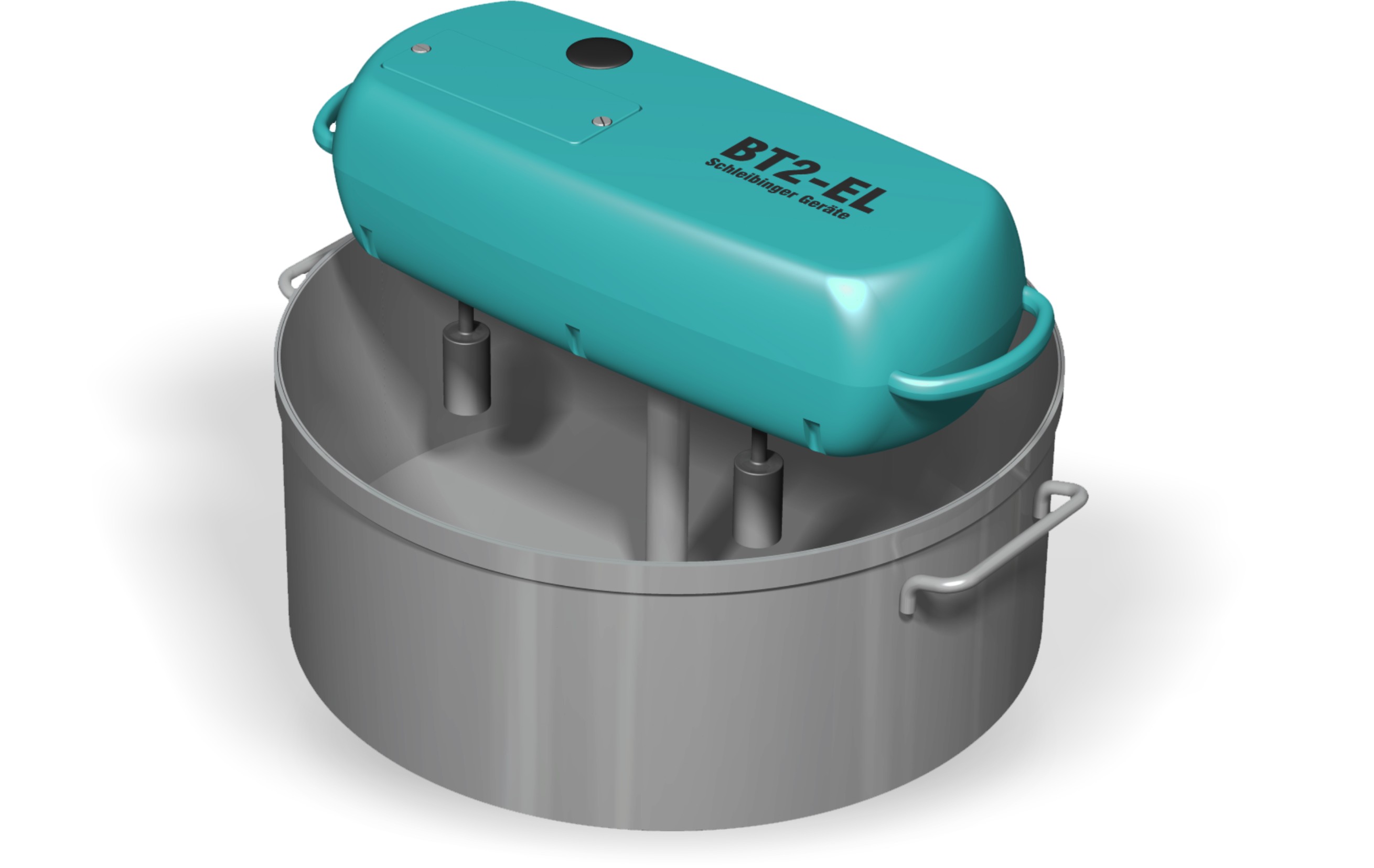
Schleibinger Concrete Tester eBT2
Compact rheometer for fresh concrete used for determining relative yield stress & viscosity.
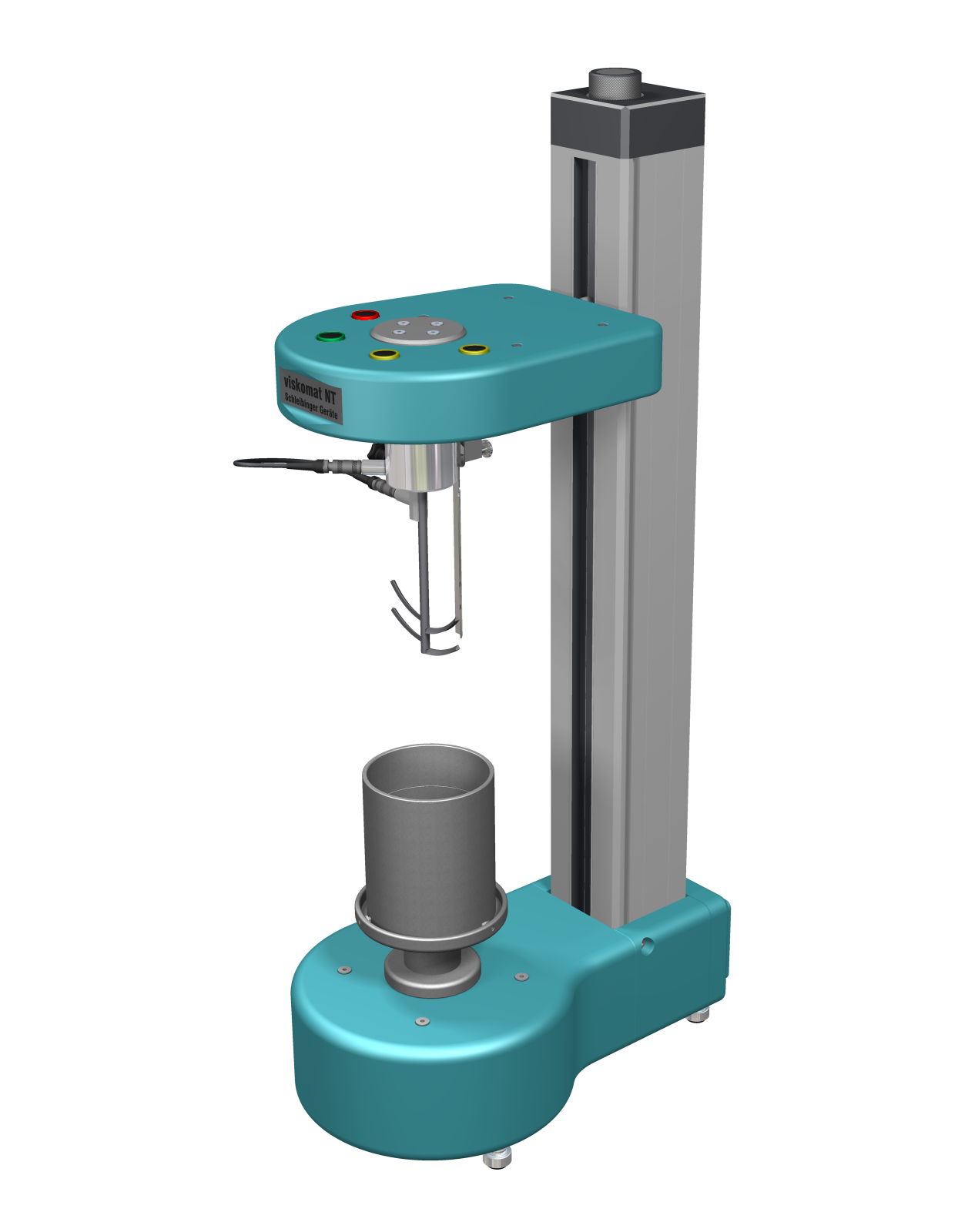
Schleibinger Viskomat NT
Rotational viscometer for determining the workability of fine-grained building materials.
Schleibinger Viskomat XL
Rheometer for Mortar and Fresh Concrete up to 6 mm grain size.
Setting & Maturity
Setting and hardening of mortar and concrete may measured by several methods. A popular test is the so called needle or Vicat test. Schleibinger is offering two test methods:
- Estimating and simulating the strength development by temperature measurement
- Measuring the e.modulus of mortar by determining the ultrasonic speed inside the material.
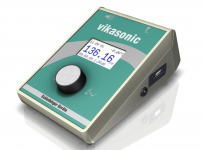
Schleibinger Vikasonic Early Setting & Hardening
Measure the early setting & hardening of concrete.

Schleibinger Curing Measurement
Measure the curing temperature to assist with calculating curing factor R.

Shrinkage
Mortars and concretes are changing its volume during setting and hardening. Many factors are influencing this mechanism: temperature changes, drying, van-der Waals forces between the small high surface particles, growing and shape changing of crystals, volume change of the aggregates and some other known and also already unknown reasons. If the concrete is still in the fluid state, volume change doesn’t matter. (maybe you get, due to the shrinkage, some percent less cubic meters of concrete volume then ordered). If hardening begins, shrinkage and expansion will cause inner strains. If this strain is higher then the strength inner cracks or other may appear.
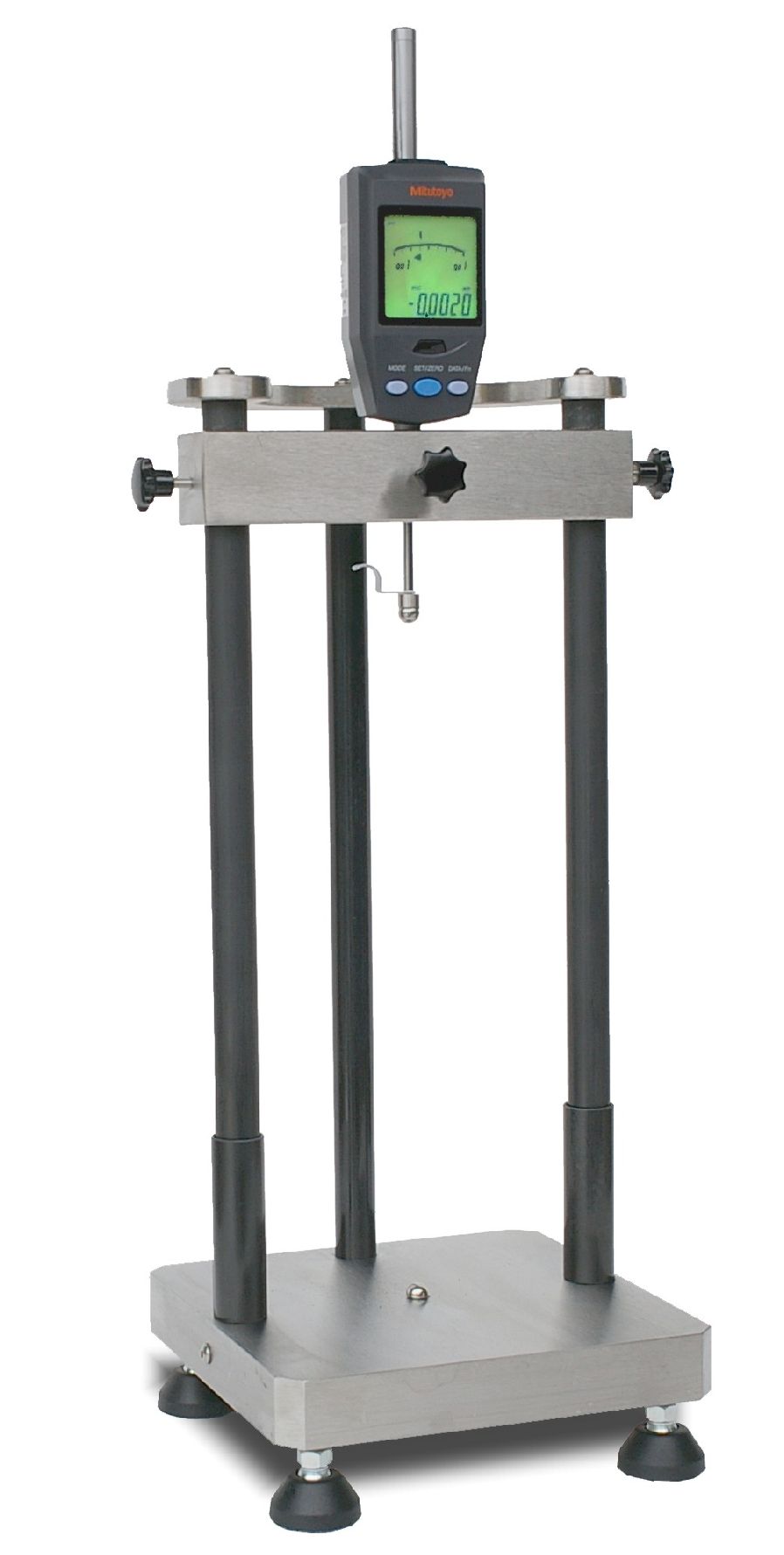
Schleibinger Measurement Gauge
Measure the change in length of concret slabs or cylinders.
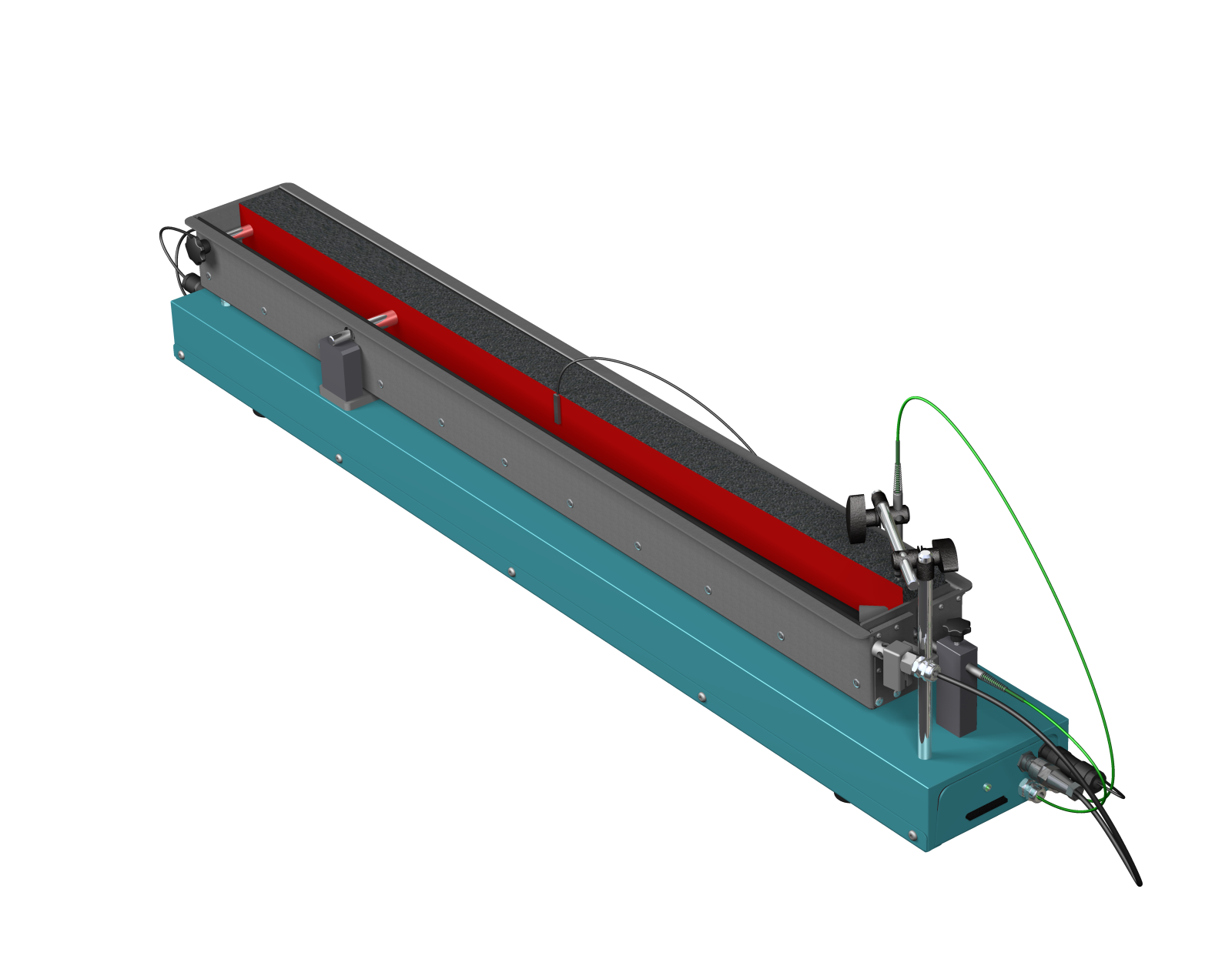
Schleibinger Measuring Bending Unit
Measures simultaneously the bending and shrinkage of building materials.
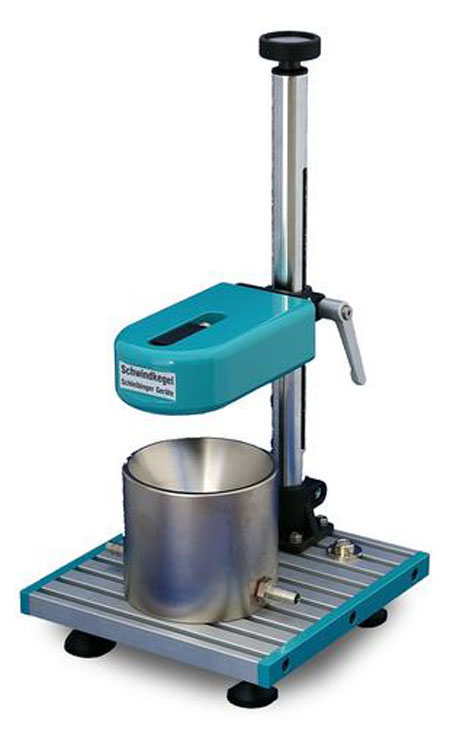
Schleibinger Shrinkage Cone
Laser based system for non-contact measurement of the early shrinkage of pastes.
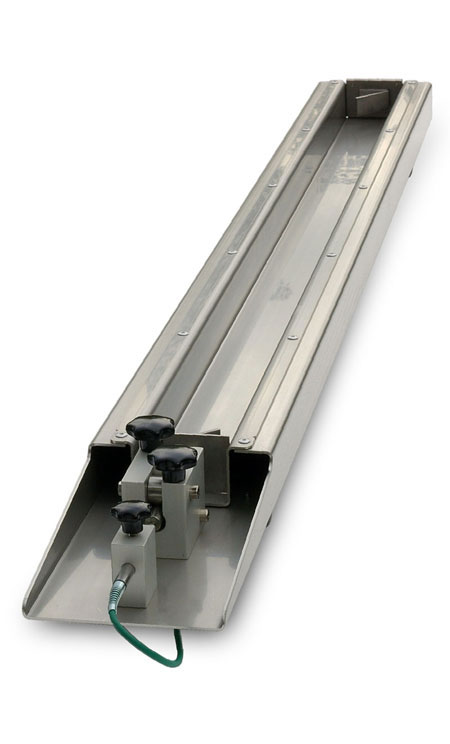
Schleibinger Shrinkage Drain
Measures the long-time shrinkage and expansion of mortar and concrete.
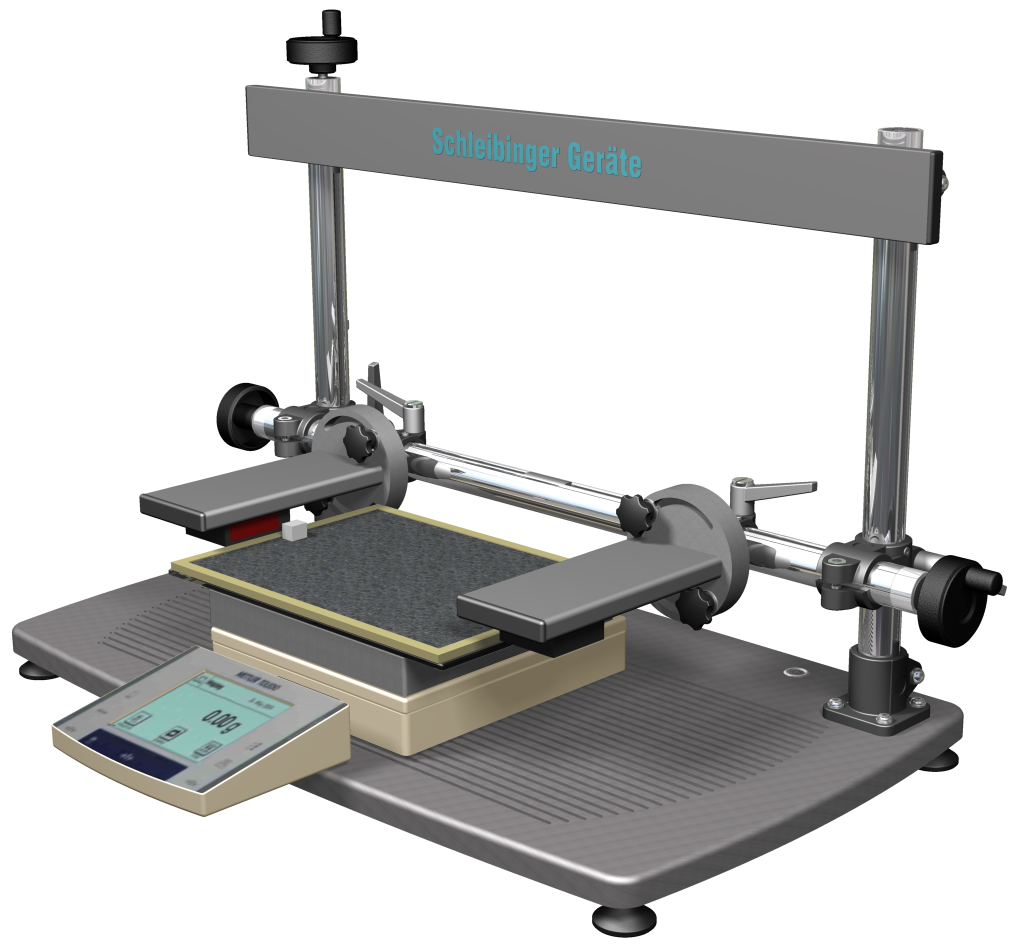
Schleibinger Thin-Layer Shrinkage Laser System
Measures the shrinkage of thin layers of compounds.